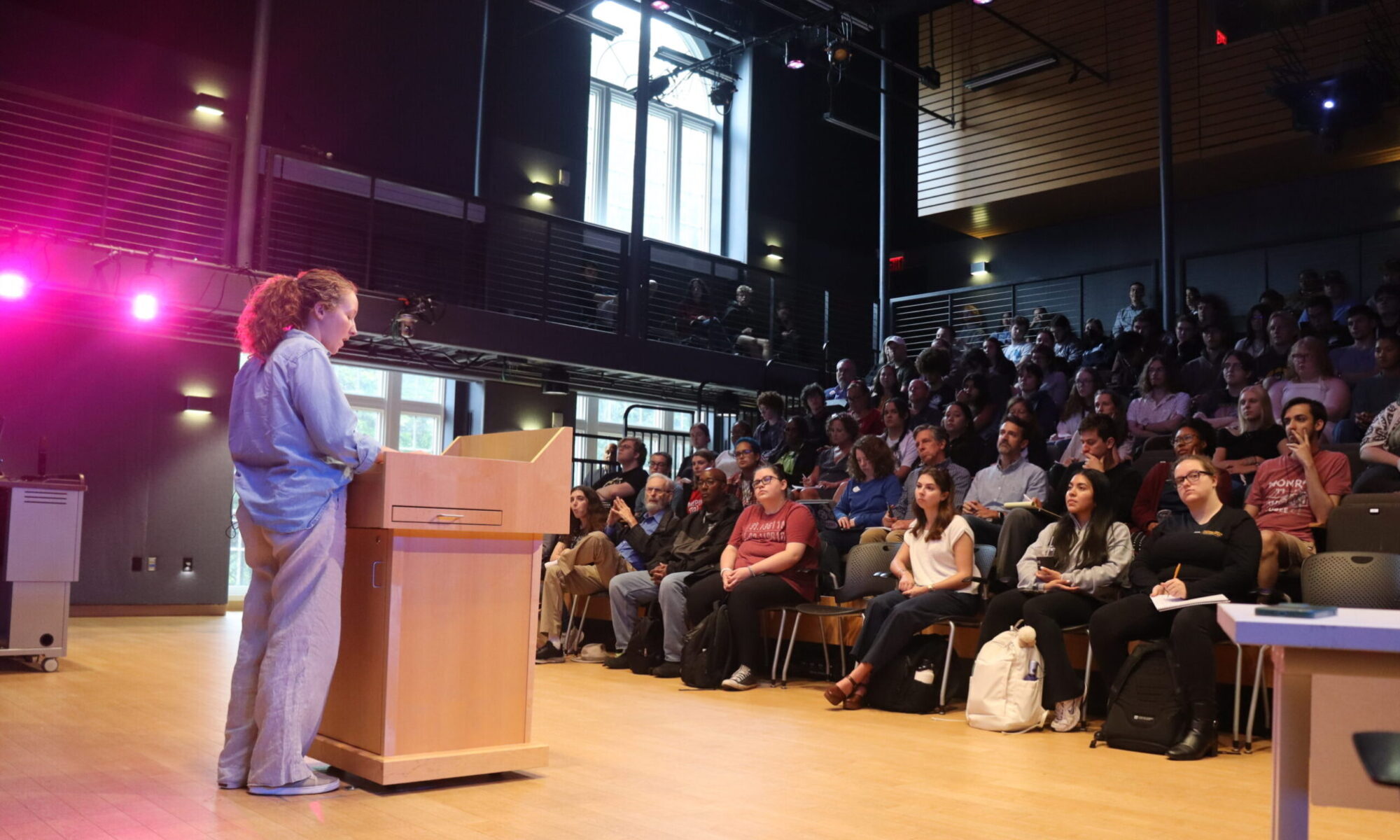
I have over a decade of experience teaching foundational, upper level, and special topics classes across several institutions, which has strengthened my ability to develop curricula that embraces diverse talents and backgrounds. My teaching is grounded in a belief that an ability to effectively communicate is a vital transferrable skill required for any student to develop as an ethically engaged global citizen. A guiding principle of my teaching, scholarship, and service is the importance of ethical and inclusive communication in studying and shaping matters of public concern in our global society.
My commitment to ethical and inclusive teaching and learning begins with intentional syllabus design, reading choices, and assignment and rubric development. I build class culture on a foundation of care and listening to facilitate student-led learning, critical thinking, exploratory research, and multimodal projects that encourage students to develop deep connections between the classroom and outside world.
Course Descriptions
Argument
This course aims to provide a survey of the basic building blocks of argument, as well as specific subsets of argumentative study within the field of communication and rhetoric. My goal is for students to think about argument, persuasion, and controversy more critically. Students will learn how to break down and better engage in argument and effective persuasion, as well as become knowledge constructors and generators of content. As argument is only found when recognized as such by individuals, this class relies heavily on discussion based learning, making students all active participants in the education process for the semester. Emphasis will be placed on critical skills building toward the development, presentation, and defense of controversial topics and ideas through both written and oral means. This course is designed to give students the tools to become increasing active and engaged citizens and leaders, writ-broadly.
Environmental Communication
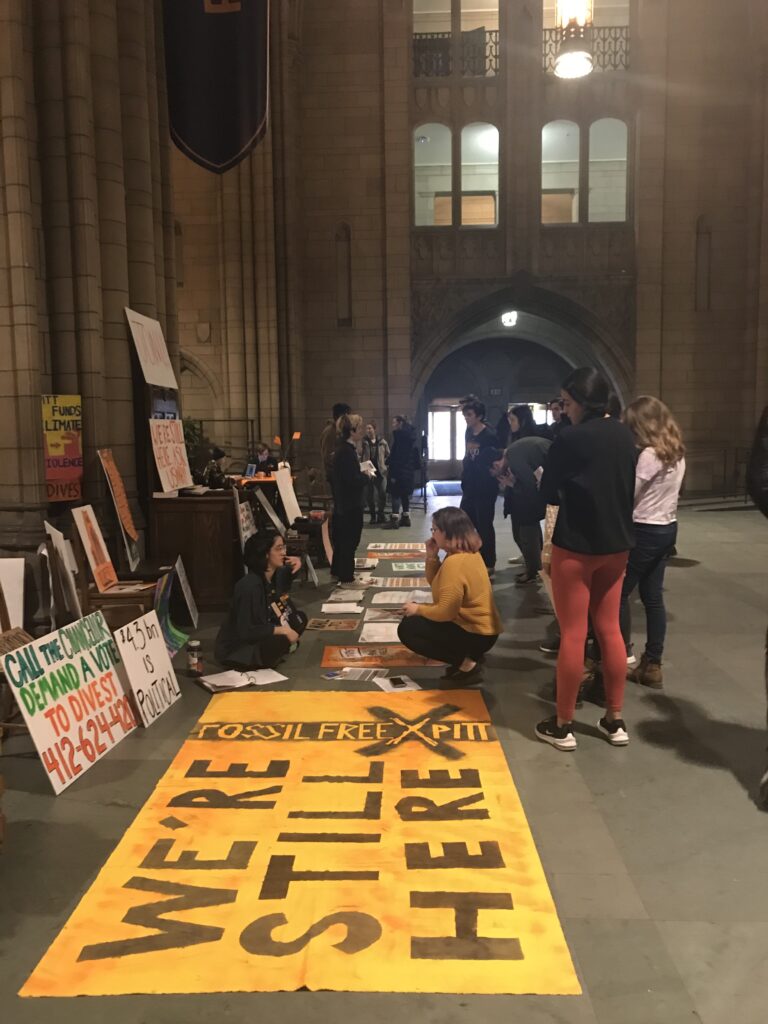
This class explores how discourses – words, images, actions, and material spaces and places – shape environmental topics. We will study communication by diverse constituents, including industry spokespersons, government officials, NGOs, scientists, journalists, researchers, and interested citizens, to better understand how “the environment” is described, defined, negotiated, silenced, and transformed. We will pay special attention to making sense of how communicating care for the environment can contribute to more just and sustainable world-making. Opportunities for engaged field research, multi-media learning, and active knowledge collaboration will all help illustrate the many ways that the environment is implicated in politics, society, economics, culture, and more.
Introduction to Digital Studies
This course takes an introductory, interdisciplinary approach to digital studies. Digital studies help us to understand and engage with the profound impact of the digital world on society and in our everyday lives. You will combine critical thinking and discussion with practice, process, and production of digital studies through a focus on digital histories, methodologies, cultures, creativity, and other special topics. Over the course of the semester, you will develop your online identity by creating a personal website that will also act as a platform to showcase your digital engagements and large-scale projects that require you practice with diverse digital skills and critical inquiry.
Mass Communication Process
This class utilizes a critical cultural approach to the study of mass communication research, theory, and history, considering those implications on and in the past, present, and future. Critical studies entail reflection on the economic, political, technological, and social components of mass communication and media on and as culture. This course is an introduction to mass communication processes with attention to consideration of changing mediums and messages of communication over time, including but not limited to study of newspapers, radio, film, posters, art, places, the internet, and social media, in order interrogate the theoretical underpinnings of mass communication.
Public Speaking
This course provides guidance and practice in the fundamentals of public communication using a variety of delivery styles including impromptu, extemporaneous, and manuscript. Students will practice with different speech genres, including group, introductory, informative, persuasive, ceremonial, and digital. The course requires students to develop clearly expressed, logically organized ideas and to deliver them in an effective manner. Emphasis is placed on the practical application of essential theory, including preparation, organization, delivery, and analysis. The prime objective of this course is to help students become a more effective and confident oral communicator.
The ability to effectively communicate to an audience makes public speaking a powerful and empowering skill to develop. I hope this class offers students an enjoyable, productive, and constructive space to advance their rhetorical talents!
Parks and Civic Life
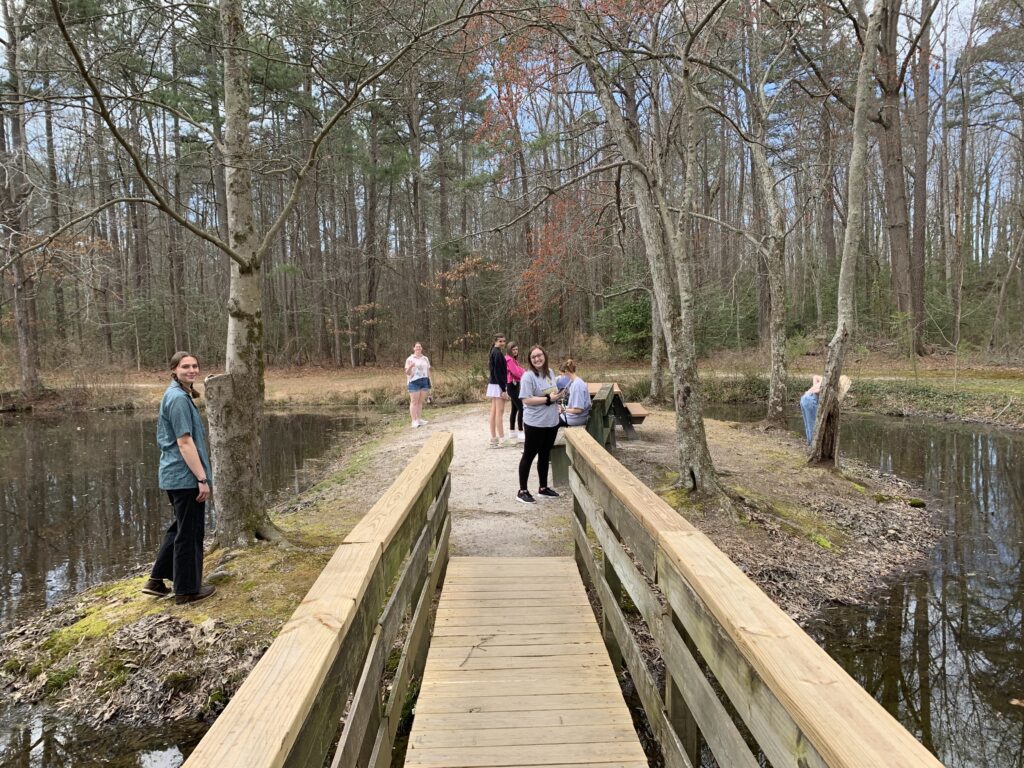
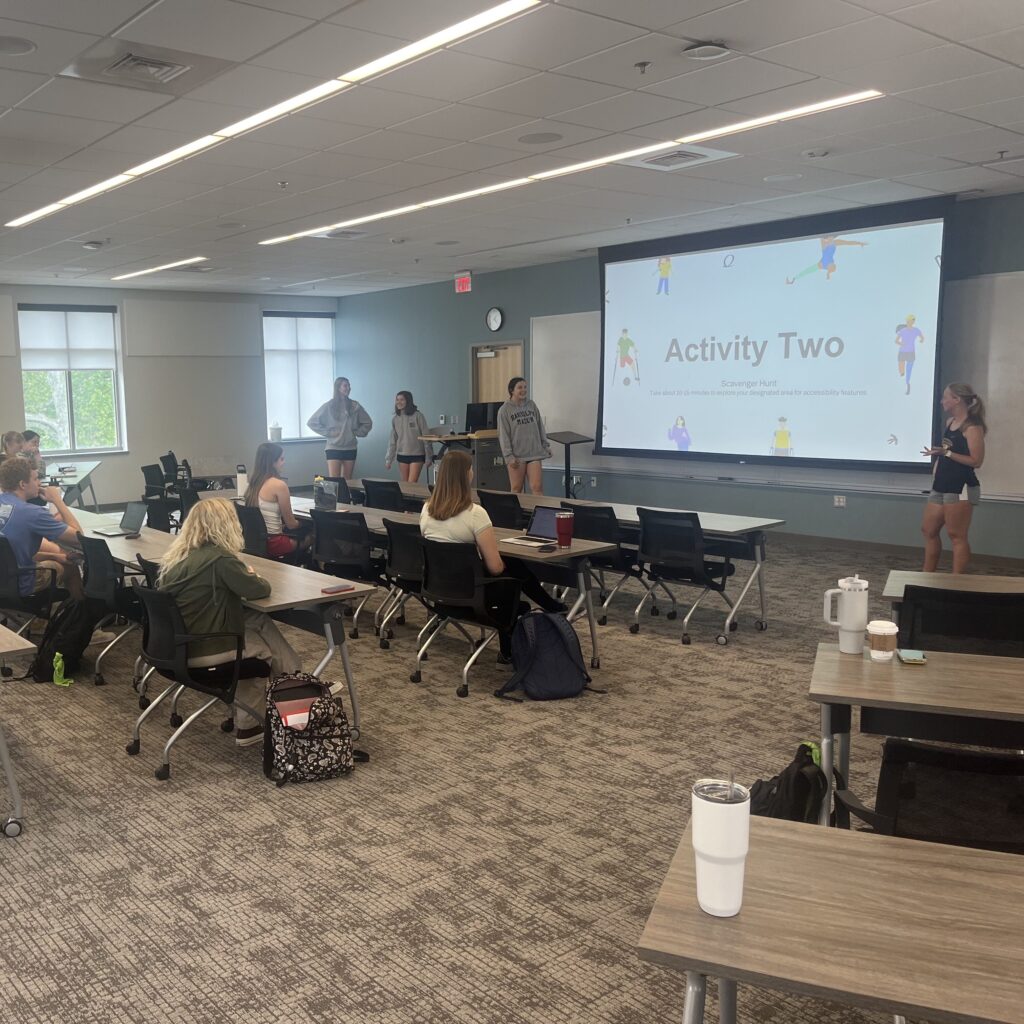
Parks, designed to blend concepts of nature and culture, are often recognized as vital public spaces for civic engagement. In this class, we study parks and civic life through the prism of various cultural themes including race, heritage, class, gender, accessibility, sustainability, recreation and tourism, naturecultures, art, and activism. By pairing theory with practice, we unpack these themes in a local context through a focus on the Ashland Parks System. Field visits provide opportunities to better understand how ‘sense of place’ shapes civic life in parks. We also collaborate with community members, including the Ashland Department of Parks and Recreation, to explore additional opportunities for civic engagement. Oral, written, visual, and other creative assignments culminate in a semester-long public humanities project.
Students have had exciting opportunities to connect with the community from this class, including internships and community engaged projects.
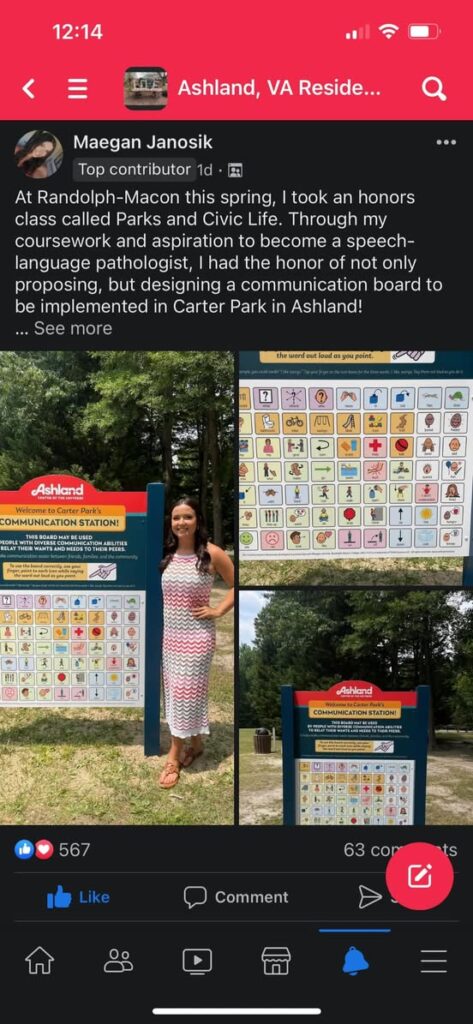
You can check out a student-designed video of their experiences here:
Rhetoric of Place and Space
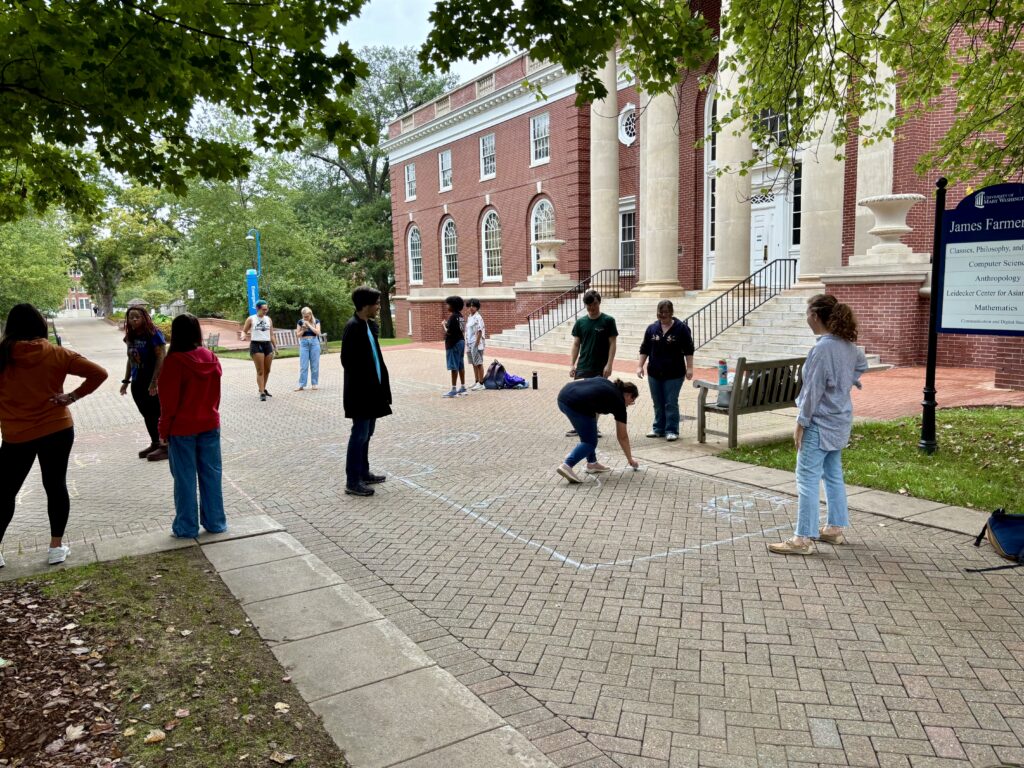
Communication happens in everyday spaces and places. Therefore, the ways we think about, organize, produce, and participate in space and place matter for nature, culture, and society. This class uses a rhetorical lens to better understand how public memory is mobilized in, by, and with space and place to shape various public and private spaces and places, including monuments, memorials, museums, parks, colleges, urban, suburban, and rural environments, and more. We will explore different theories and methods of analysis, with a particular emphasize the value of being there in shaping our study and understanding of place and space.
Small Group Communication
Small Group Communication involves the study of the theories and principles of effective communication and decision making in small group contexts. This course emphasizes understanding communication dynamics and improving one’s communication capabilities as a participant in and leader of small groups.
Visual Rhetoric
Visual images, artifacts, and performances (collectively understood as “texts”) are pervasive in public culture and play a powerful role in shaping public life. The study of visual rhetoric entails examining visual texts with an emphasis on the development and use of visual arguments. We will focus on how visual texts act rhetorically upon viewers by shaping interpretation, judgement, and public understanding. You will develop skills in descriptive, interpretive, and critical rhetorical analysis through sustained engagement with a wide range of visual forms, including iconic images and photographs, monuments and memorials, bodies and image events, memes and deep fakes, and other visual media. As visual communication plays an increasingly central role in everyday life, the course emphasizes the ethical analysis of how images circulate, generate meaning, and participate in broader relations of culture, power, and society.